Allergen Guide for Salem Dining

Navigate dining with confidence. This guide provides essential information about allergen handling, ingredient transparency, and how to communicate dietary requirements with local restaurants effectively.

Understanding Food Allergens and Restaurant Safety

Food allergens represent significant health considerations affecting millions of diners. Professional restaurants maintain strict protocols addressing allergen concerns, ingredient sourcing transparency, and kitchen procedures preventing cross-contamination.

The FDA identifies eight major allergens accounting for 90% of food allergic reactions: peanuts, tree nuts, milk, eggs, fish, shellfish, soy, and wheat. Many restaurants track these allergens throughout food preparation, from ingredient sourcing through cooking and plating.

Understanding how restaurants manage allergen risks enables informed dining decisions. Professional establishments maintain ingredient documentation, staff training, and kitchen protocols that minimize contamination risk. This commitment to allergen safety demonstrates restaurant professionalism and customer care.

Salem-area dining establishments increasingly recognize allergen management as essential customer service. Many provide detailed allergen information, ingredient lists, and preparation methods. Direct communication with kitchen staff ensures confidence in dining choices.

The Eight Major Food Allergens

Peanuts

Legume allergen found in peanut products, peanut oil, and items processed with peanuts. Tree nuts differ from peanuts despite similar cross-reactivity potential.

Tree Nuts

Include almonds, walnuts, pecans, cashews, and others. Often used in sauces, desserts, and baked goods. Cross-contamination risks exist in facilities processing multiple nut types.

Milk

Found in dairy products, baked goods, sauces, and processed items. Milk proteins appear in unexpected products. Professional kitchens maintain separate preparation areas.

Eggs

Present in baked goods, sauces (mayonnaise, hollandaise), and pasta. Cross-contamination occurs through shared utensils and preparation surfaces.

Fish

Includes all finfish species. Restaurants using fish stock or sauce may contain traces. Separate preparation areas prevent cross-contact with other proteins.

Shellfish

Includes crustaceans (shrimp, crab, lobster) and mollusks (clams, mussels, oysters). Professional kitchens maintain strict separation from other proteins.

Soy

Found in soy sauce, many Asian sauces, and processed items. Soy derivatives appear in unexpected products. Kitchen ingredient knowledge prevents accidental exposure.

Wheat

Present in bread, pasta, battered items, and many sauces. Gluten-free dining requires separate preparation surfaces preventing cross-contamination.

How Restaurants Manage Allergen Safety

  1. Ingredient Sourcing: Restaurants maintain detailed records of ingredient suppliers and products. Labels document allergen information. Sourcing decisions reflect allergen management commitments.
  2. Ingredient Documentation: Professional establishments keep ingredient lists accessible for kitchen staff and customers. This transparency enables accurate allergen identification.
  3. Staff Training: Kitchen staff receive training on allergen identification, cross-contamination risks, and prevention procedures. Regular training updates maintain awareness and proper protocols.
  4. Separate Preparation Areas: Many kitchens dedicate specific stations for allergen-free preparation. Separate cutting boards, utensils, and equipment prevent cross-contact.
  5. Cross-Contamination Prevention: Professional kitchens implement procedures preventing allergen transfer—handwashing, equipment cleaning, and preparation sequencing minimize risks.
  6. Allergy-Free Menus: Some establishments maintain specific allergen-free menu items or sections. Special menus identify items suitable for specific allergen concerns.

Communicating Allergen Concerns with Restaurants

How should I inform a restaurant about my food allergies?

Communicate allergies directly to restaurant staff—ideally servers and kitchen managers. Be specific about allergens and severity. Ask about ingredients, preparation methods, and cross-contamination prevention. Many restaurants appreciate advance notice enabling special preparation. Written allergy cards can communicate requirements clearly.

What questions should I ask about allergen preparation?

Ask: What allergens are in menu items? Can items be prepared without specific allergens? What cooking equipment is used? Is food prepared in dedicated areas? Are there shared utensils or cutting boards? Do sauces or toppings contain hidden allergens? Can chefs discuss ingredients used in sauces and prepared components?

How can I minimize cross-contamination risk when dining out?

Inform servers immediately about allergies. Request separate preparation when possible. Ask about dedicated equipment and utensils. Confirm staff understanding of your specific allergen. Request chefs avoid cross-contact during cooking. Consider timing—less busy periods may enable more careful preparation. Request visible acknowledgment of allergen concerns.

What information should be on allergen menus?

Professional allergen menus identify major allergen presence in menu items, list common ingredient allergens, explain preparation methods affecting allergen risk, and identify items suitable for specific allergen restrictions. Detailed menus enable confident ordering. Icons or color-coding help quickly identify safe options.

How do I identify which restaurants prioritize allergen safety?

Research restaurants online for allergen information availability. Call ahead discussing allergen protocols. Look for staff training indicators. Review customer feedback about allergen experiences. Ask about certification or training programs. Professional establishments readily discuss allergen procedures, demonstrating commitment to customer safety.

Best Practices for Allergen-Safe Dining
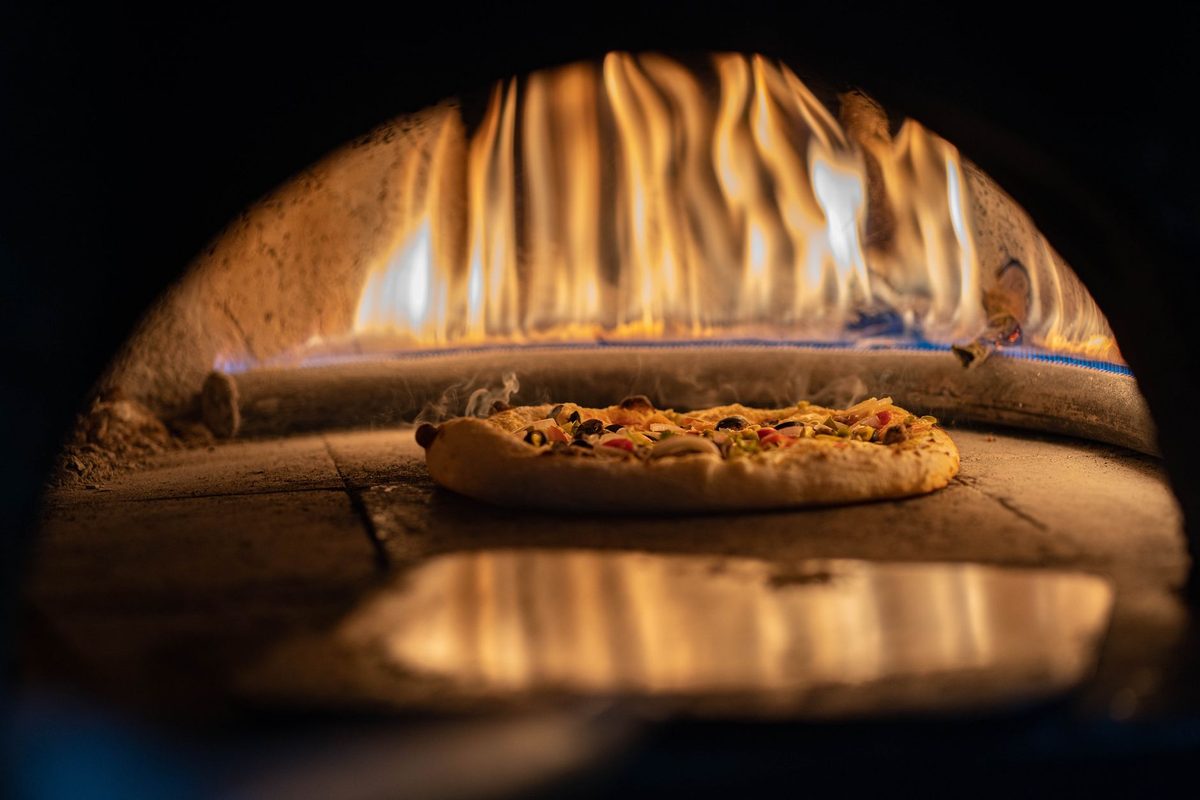
Professional restaurant kitchen with authentic wood-fired oven and separate preparation areas for allergen safety

Before You Dine

Research Menu Options: Review restaurant menus online identifying potential allergen issues. Many establishments post ingredient information or allergen guides online. Contact restaurants directly about specific allergen concerns.

Call Ahead: Advanced notice enables special preparation and ingredient confirmation. Restaurant managers can consult chefs about specific accommodations. This communication ensures confidence before arrival.

Review Allergen Menus: If available, request allergen menus detailing ingredient and preparation information. These specialized menus facilitate informed ordering reducing cross-contamination risk.

At the Restaurant

Inform Your Server: Clearly state allergen concerns immediately. Explain severity enabling appropriate precautions. Request confirmation of understanding and kitchen communication.

Speak with Kitchen Staff: Many chefs welcome direct allergen discussion. Kitchen managers can explain preparation methods, ingredient sourcing, and cross-contamination prevention. This direct communication builds confidence.

Ask Detailed Questions: Don't assume ingredients. Ask about sauces, toppings, and preparation. Confirm cross-contamination prevention. Professional kitchen staff answer thoroughly.

Making Dining Decisions

Choose Simpler Preparations: Basic grilled proteins with vegetables minimize allergen complexity. Avoid heavily sauced items where hidden allergens risk increases.

Request Modifications: Ask for sauce on the side, ingredient omissions, or preparation adjustments. Professional kitchens accommodate reasonable allergen requests.

Verify Before Eating: When food arrives, confirm with your server that allergen requests were honored. Visual confirmation provides peace of mind before consuming.

Allergen Considerations by Dining Type

Wood-Fired Pizza Restaurants: Flour-based crusts contain wheat. Toppings vary—verify allergen content. Ask about shared ovens affecting cross-contamination. Request ingredient lists for pizza components and sauces.

Craft Breweries: Beer typically contains barley/wheat. Many breweries offer allergen information. Ask about food preparation areas and potential cross-contamination from shared kitchen spaces. Research brewery allergen policies online.

BBQ Establishments: Marinades and sauces may contain hidden allergens. Meat proteins are typically allergen-free but verify preparation. Ask about soy sauce, Worcestershire sauce, and other condiment ingredients.

Multi-Concept Venues: Locations combining pizza, brewery, and BBQ present complex allergen environments. Multiple food preparation areas increase cross-contamination risks. Ask about dedicated allergen-safe preparation zones.

Take Control of Your Dining Experience

Allergen safety is a partnership between diners and restaurants. By communicating clearly and researching options, you can confidently enjoy dining experiences while protecting your health.

Explore Dining Options Share Your Experience